01. Pakistan Gains Global Recognition for Telecom Governance Reforms
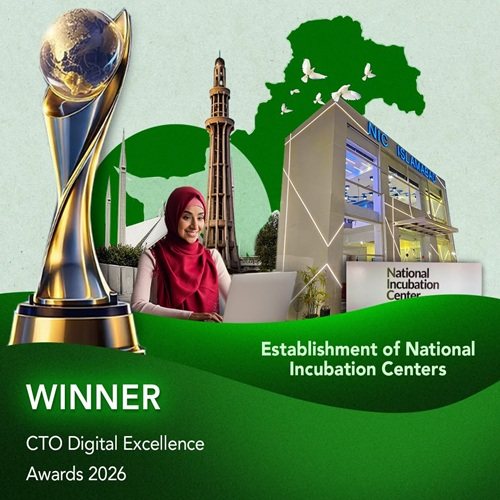
Pakistan received three distinctions at the Commonwealth Telecommunications Organisation Digital Excellence Awards 2026 in London. The National Incubation Centers initiative won the Digital Policy & Regulatory Excellence award, while Pakistan’s digital transformation of government relief delivery was runner-up in the 21st Century Government / E-Government category. The Integrated Spectrum Governance Reform was also named a finalist. The recognitions highlight efforts to strengthen entrepreneurship support, digital public services and spectrum management, while improving transparency, connectivity and investment conditions.
02. Pakistan Eyes Improved Maize Yields through Advanced Seeds
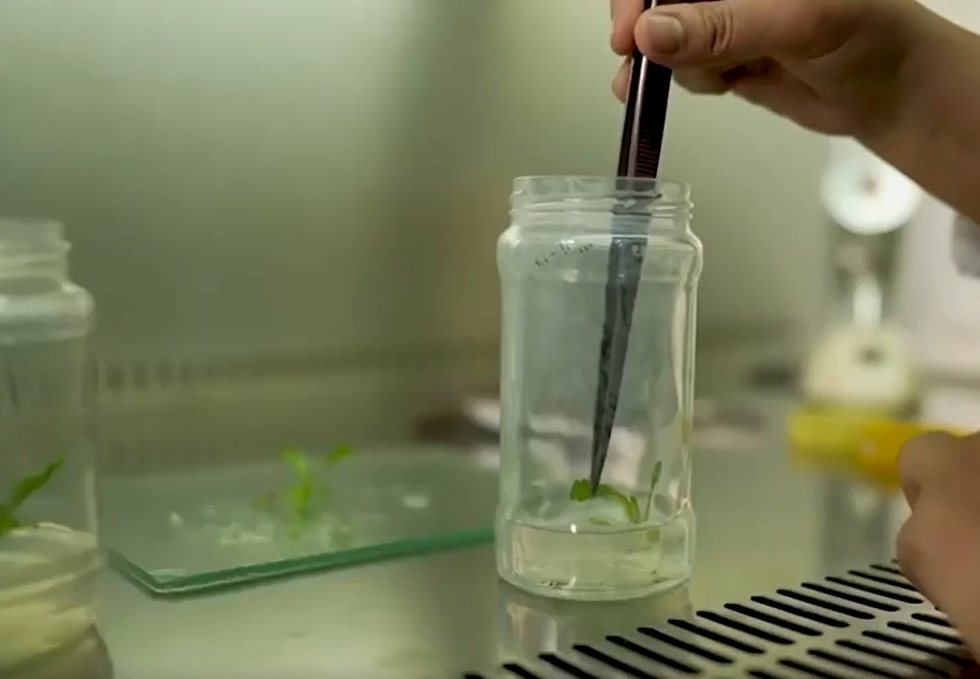
Pakistan has taken a policy step toward introducing genetically modified maize, with in-principle approval linked to the Special Investment Facilitation Council and Green Pakistan Initiative. GM varieties can be engineered for traits such as pest or disease resistance, potentially helping farmers reduce crop losses and improve productivity. The eventual impact will depend on regulatory safeguards, seed performance under local conditions and farmers’ access to suitable varieties. The move forms part of a broader effort to modernize agriculture and strengthen resilience under changing climatic conditions.
03. AI-Powered System Boosts Transparency in Cement Production
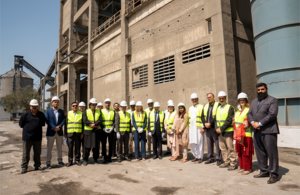
Pakistan has deployed the Digital Eye artificial intelligence system across all 27 cement factories to strengthen production monitoring and tax compliance. Using video analytics, the system independently tracks factory output in real time and complements the Federal Board of Revenue’s Track and Trace System. Digital Eye has also been extended to the sugar sector, with further applications under consideration. The approach is intended to reduce dependence on manual inspections, improve verification of declared production and support wider efforts to modernize tax administration through automated monitoring.
04. Pakistan Targets Modern Refineries and Expanded LPG Infrastructure
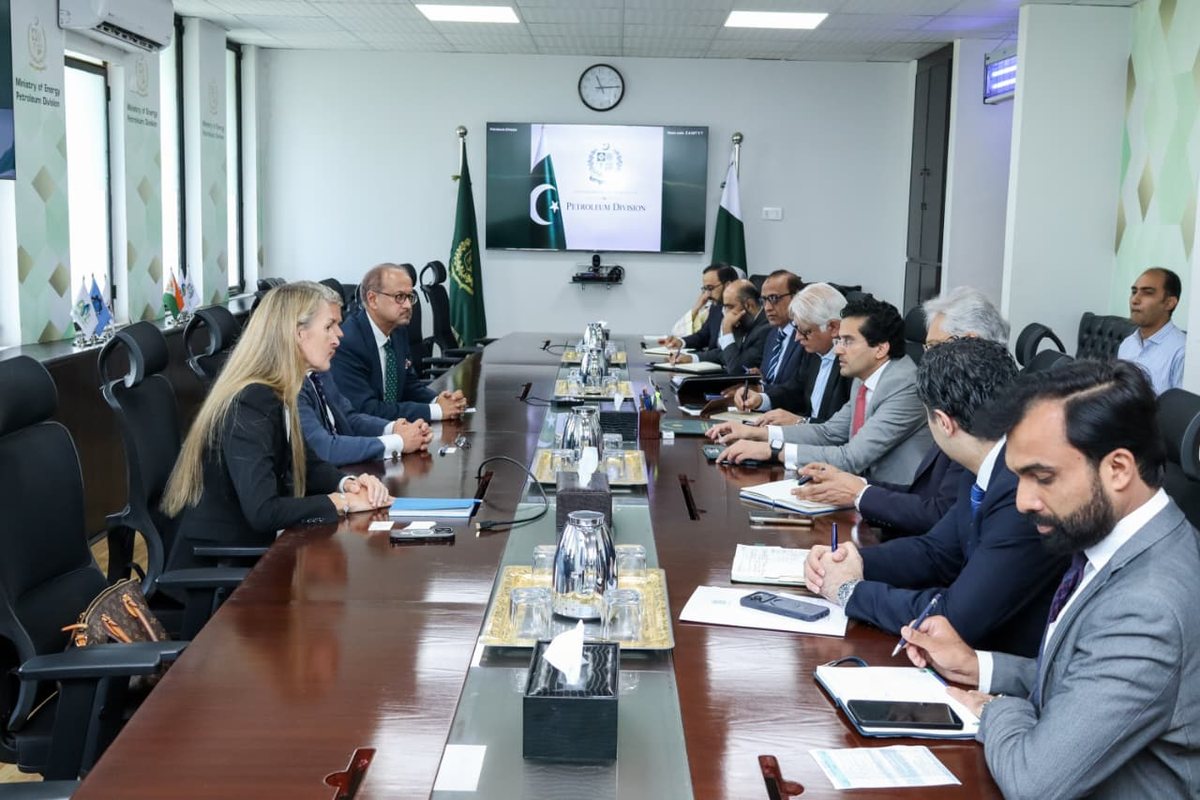
Pakistan is exploring investment in energy storage, LPG infrastructure and refinery modernization following meetings with international energy companies VTTI and Honeywell UOP. Discussions covered bonded warehousing, re-export facilities, LPG storage terminals and advanced refining technologies. Honeywell UOP also highlighted possible access to US financing for refinery upgrades. The initiatives are intended to improve operational efficiency, strengthen domestic refining capacity and support reliable energy supplies while attracting foreign investment, technology and financing into Pakistan’s petroleum infrastructure.
05. Pakistan Advances Scientific Beekeeping with New Facility
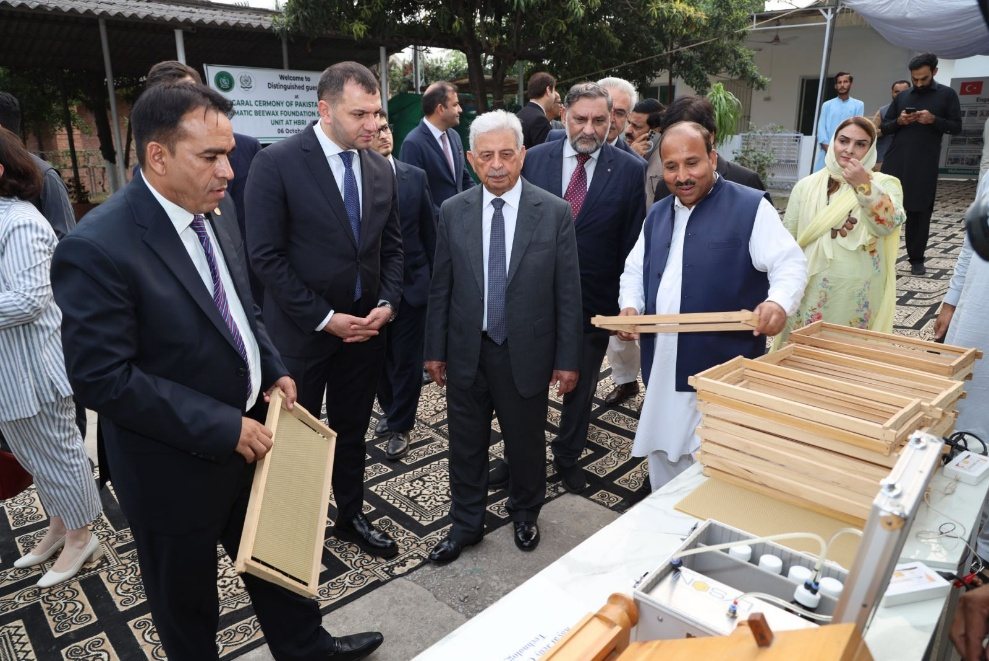
Pakistan has inaugurated an automated beeswax foundation sheet manufacturing unit at the Honeybee Research Institute, NARC, Islamabad. The facility is intended to improve access to quality beeswax sheets, strengthen modern beekeeping practices and reduce reliance on externally sourced supplies. Officials also emphasized certification, traceability, packaging and value addition to improve the competitiveness of Pakistani honey. The initiative links scientific beekeeping with crop pollination, food security, rural enterprise and potential export growth, particularly for small-scale beekeepers and young entrepreneurs.

06. Pakistan Advances Hydropower, Solar and Water Supply Plans
Pakistan’s Executive Committee of the National Economic Council approved a package of development projects covering energy, water, transport, healthcare and urban systems. Technology-related projects include the 40.8 MW Koto Hydropower Project in Lower Dir, 100 MW of distributed solar photovoltaic plants in Gilgit-Baltistan and reactive power compensation equipment for the national grid. Water-supply and canal rehabilitation schemes were also cleared. The approvals reflect continued investment in renewable generation, grid stability and infrastructure intended to support regional development and public-service delivery.
07. Pakistani Robotics Firm Holds First Hackathon at UC Berkeley
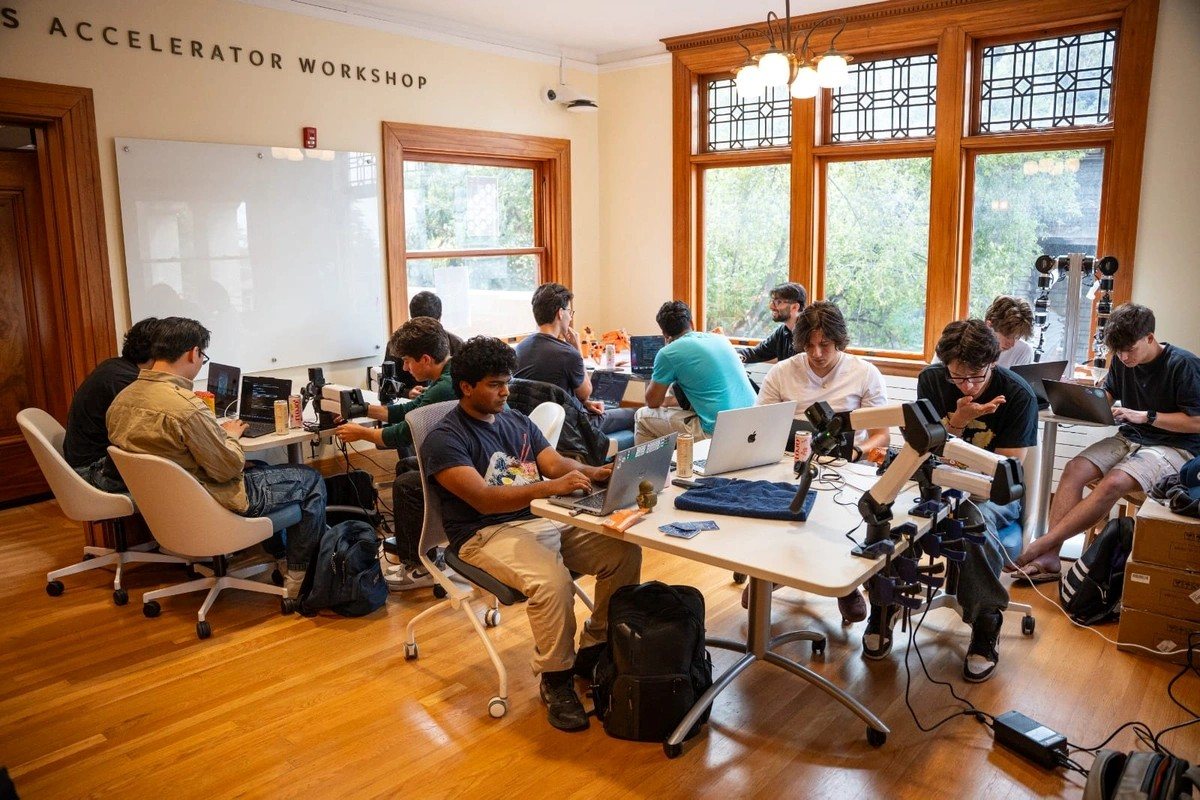
Pakistani robotics data company World Context held its first robotics hackathon at the University of California, Berkeley, bringing together 13 teams to build projects using real-world robotics datasets. Organized with Blockchain at Berkeley, the event featured hardware, software and visualization challenges. Sortbot won the hardware category with object-sorting robots, while Reconstructors led the software and visualization categories. The event highlighted the growing importance of human demonstration data for training robots to perform physical tasks in real-world and simulated environments.
08. ITCN Asia 2026 Strengthens Pakistan’s Global Technology Links
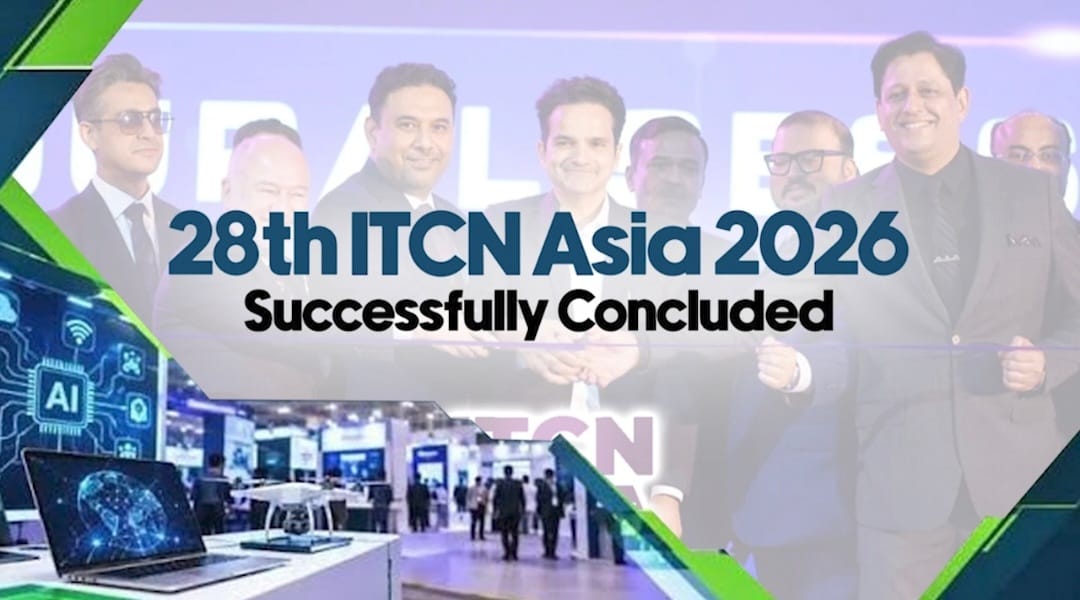
The 28th ITCN Asia concluded at Karachi Expo Centre with reported business activity exceeding $550 million and more than 75 MoUs, agreements and deals. The three-day exhibition brought together technology companies, investors, entrepreneurs, government representatives and international delegations. More than 850 booths and 3,500 global brands showcased solutions and explored partnerships. The event highlighted opportunities in technology investment, startup development, digital services and IT exports, reinforcing Pakistan’s efforts to deepen international technology and innovation linkages.
09. Karachi’s Innovative Parking System Nears Reality
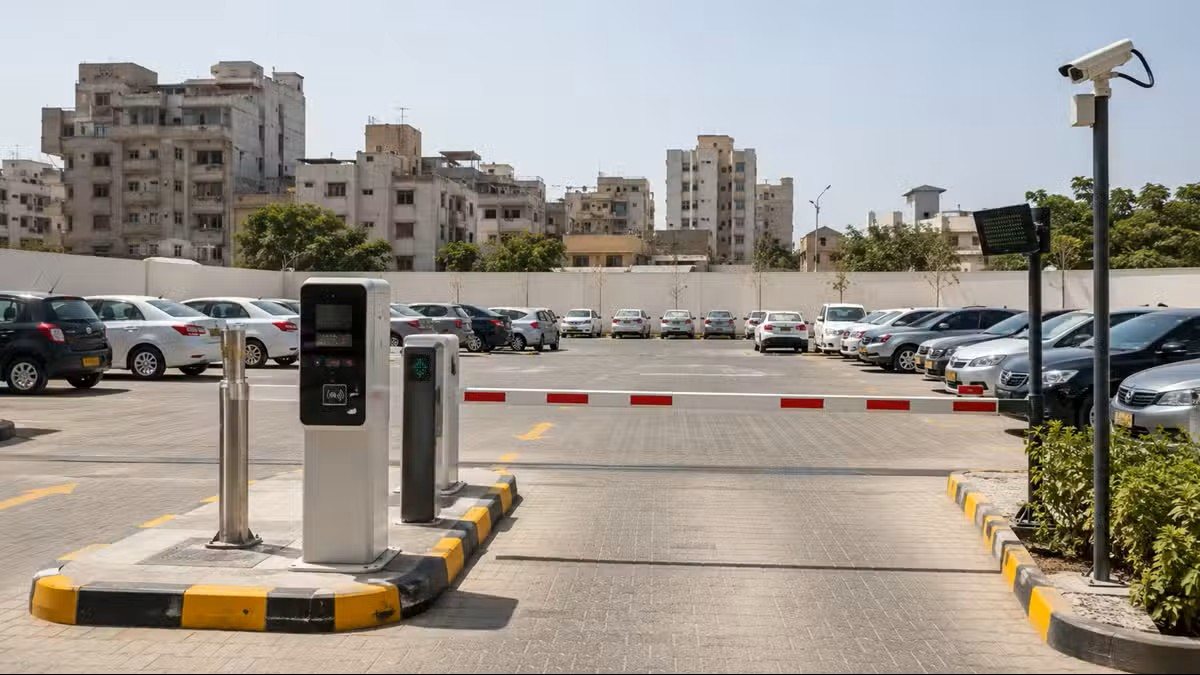
Karachi is preparing to launch a pilot digital parking system at designated Karachi Metropolitan Corporation parking lots. The automated system is expected to introduce digital ticketing, cashless payments, real-time parking updates and enhanced security monitoring. Parking fees have already been abolished on KMC roads, with the new system applying only to designated lots. The initiative aims to improve transparency, reduce unauthorized charging and revenue leakage, and demonstrate how digital tools can modernize everyday urban services.
10. Huawei Opens National Telecom Repair Centre in Islamabad
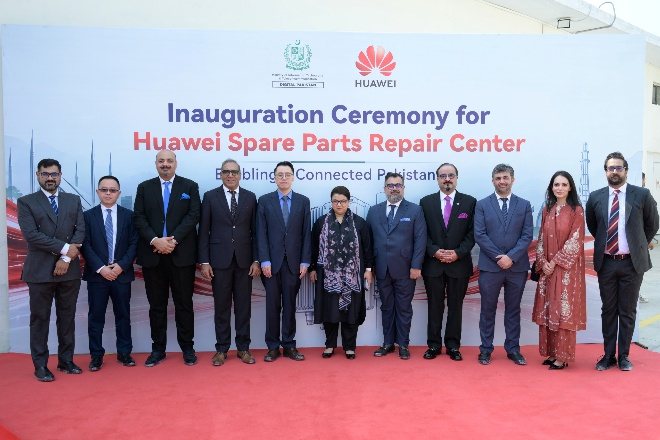
Huawei has opened a national-level spare-parts repair centre in Islamabad to strengthen local maintenance capacity for telecom infrastructure. The facility has 16 specialized repair desks and supports more than 180 equipment item codes across wireless, microwave, digital power and access-network technologies. It can process over 10,000 modules annually and is staffed by Pakistani hardware specialists trained through Huawei’s knowledge-transfer programme. Local repair capability is expected to reduce turnaround times and costs while supporting network reliability during routine operations and emergencies.

11. Renewable Bamboo Materials Gain Ground in Global Markets
Manufacturers in China are expanding the use of bamboo for biodegradable food containers, disposable cutlery, packaging and engineered industrial products. In Hunan province, bamboo fibers are being transformed into durable packaging materials, while engineered bamboo boards are finding use in commercial vehicles. The shift illustrates how renewable bio-based materials can substitute for selected plastic and timber products while creating new value chains. Growing demand is also supporting investment in processing, forest management and rural employment.
12. Researchers Demonstrate Energy-Storing Cement That Powers LEDs
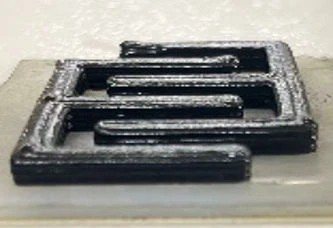
Researchers have developed a 3D-printed cement-based supercapacitor that combines structural strength with energy-storage capability. The team mixed cement with carbon nanotubes and carbon black to create printable electrodes arranged in an interlocking geometry that shortens ion travel distances. In laboratory tests, three connected devices powered a small LED array and remained stable under moderate temperature changes. The research points toward future buildings that could integrate energy storage into structural materials, although further work is needed before large-scale construction applications become practical.
13. Innovative Speaker Tech Ends Sound Leakage
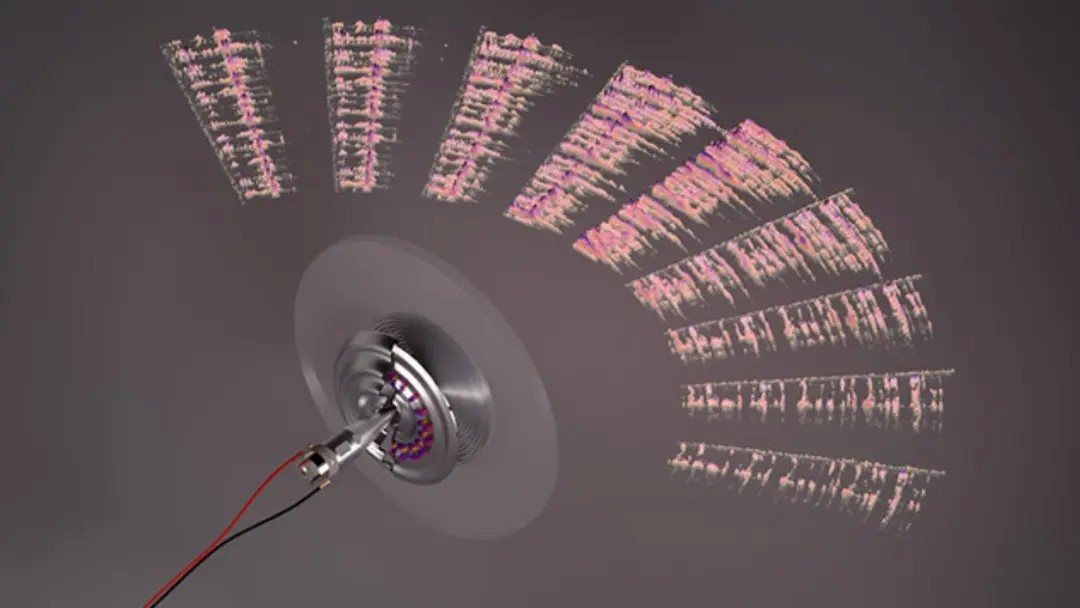
Researchers at POSTECH have developed MiPAL, a low-cost single-element speaker designed to direct sound toward one listener while reducing leakage to nearby people. The system combines acoustic and elastic metamaterials to focus ultrasonic waves and suppress unwanted structural vibrations. Operating across a broad audio range, the device can be customized using 3D printing. Potential applications include personalized entertainment on aircraft and trains, targeted public announcements and tailored audio experiences in museums or shared spaces.

14. Space Tech Opens a New Window on the Universe
NASA launched the Nancy Grace Roman Space Telescope aboard a SpaceX Falcon Heavy, beginning a mission focused on dark energy, dark matter, gravity and exoplanets. Roman will operate near the Sun-Earth L2 point and is designed for wide-field surveys capable of mapping billions of galaxies and discovering thousands of planets beyond the solar system. Its panoramic observing capability will complement Hubble and the James Webb Space Telescope by combining large-area surveys with high-quality space-based imaging.
15. New Innovation Could Transform Oil Refining
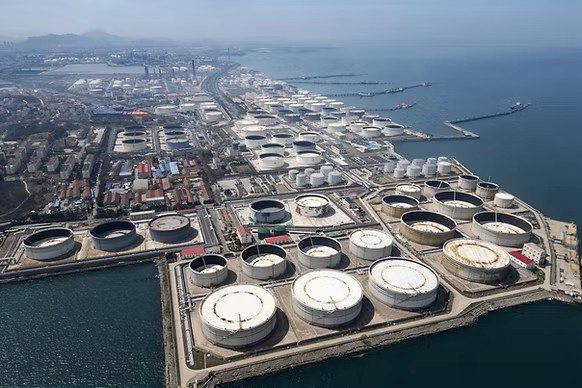
Chinese researchers have reported an oil-refining approach designed to separate crude-oil components at the molecular level, potentially reducing energy consumption while improving recovery of valuable fuels and petrochemical feedstocks. The technique could offer a more precise alternative to conventional energy-intensive separation processes. The technology remains at the research stage, however, and its commercial significance will depend on whether it can be scaled economically and operated reliably under refinery conditions.

16. New Electric Aviation Tech Targets Lower Costs
Heart Aerospace’s 30-seat X1 electric aircraft completed a 27-minute battery-powered test flight in New York, demonstrating progress toward lower-cost regional electric aviation. The aircraft reportedly flew at about 1,100 feet while consuming roughly $5 worth of electricity during the test. The flight remains a development milestone rather than commercial service, but it illustrates how battery-electric propulsion could reduce fuel dependence, operating costs and emissions on shorter regional routes if performance, certification and infrastructure challenges are successfully addressed.

17. Scientists Unlock New Possibilities for Engineered Genetic Systems
Researchers at the University of California San Diego have shown that RNA polymerase can accurately read an expanded genetic alphabet containing eight letters instead of the four used by natural DNA. Biochemical experiments and cryo-electron microscopy revealed that the enzyme can recognize synthetic base pairs using molecular signals similar to those used for natural genetic information. The findings could support future synthetic-biology systems designed to produce new compounds, diagnostics or engineered functions, although practical applications will require substantial further development.
18. Space Garden Marks New Era of Farming Tech
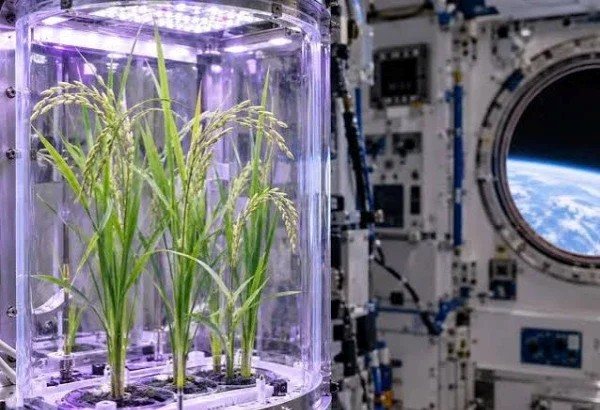
Chinese scientists have grown 14 plant varieties aboard the Tiangong Space Station, advancing research into food production for long-duration missions. Crops including carrots and lettuce have been cultivated in a dedicated orbital growing system. The work supports the development of controlled life-support systems that could recycle water and air while producing fresh food, reducing dependence on resupply from Earth. Space agriculture research also provides insights into plant growth under microgravity and tightly controlled environmental conditions.
19. Global Trade Enters a New Era as AI Transforms Supply Chains
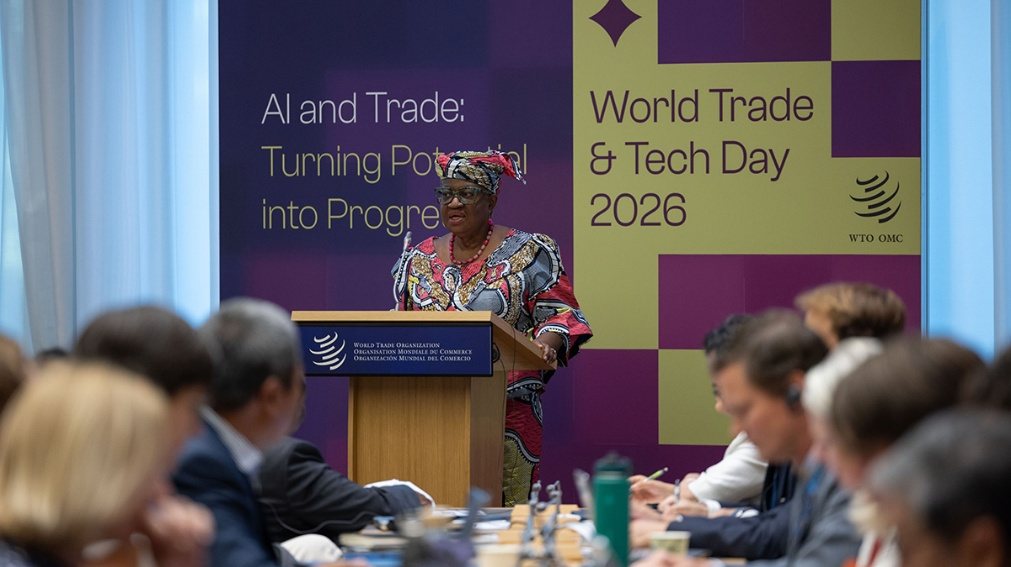
The World Trade Organization’s first World Trade and Tech Day highlighted the growing role of artificial intelligence in trade, logistics and productivity. WTO discussions noted strong growth in AI-related goods and showcased applications in customs, supply-chain management, manufacturing and agricultural trade. Speakers emphasized that developing economies will need digital connectivity, workforce skills, investment and coordinated regulation to benefit fully. The WTO has also created a database of practical case studies showing how AI is being used in trade-related activities.

20. Next-Generation AI Gives F-16s Autonomous Capabilities
The U.S. Air Force and DARPA have begun in-air testing of AI-controlled F-16 aircraft modified under the VENOM programme. The aircraft are equipped with an autonomy kit that allows pilots to switch between human and AI control during test flights. The programme will evaluate multiple AI agents in realistic scenarios and help researchers study how autonomous systems could operate in coordinated teams. The work remains experimental and is focused on developing and validating scalable autonomous-flight technologies.

21. Generative AI Takes Aim at Obesity and Metabolic Diseases
Zealand Pharma has partnered with Generate to develop AI-designed protein medicines for obesity and other metabolic diseases in a deal potentially worth up to $1.2 billion. Generate will use its generative-AI platform to design drug candidates, while Zealand will manage clinical development, regulatory work and commercialization. The collaboration reflects growing pharmaceutical interest in using AI to accelerate molecular design. Candidate medicines will still require laboratory, clinical and regulatory validation before their safety and effectiveness can be established.

22. Smart Knits Open New Possibilities for Wearables
Researchers at Harvard have developed shape-shifting smart textiles using standard industrial knitting machines. By combining elastic yarns with specialized knitting structures, the fabrics can switch between stable three-dimensional forms, detect movement and act as soft electrical switches. Conductive yarns enabled demonstrations such as LED control and joint-motion tracking. Because the approach is compatible with familiar textile manufacturing methods, it could support future applications in wearable electronics, rehabilitation devices, medical textiles and programmable clothing.
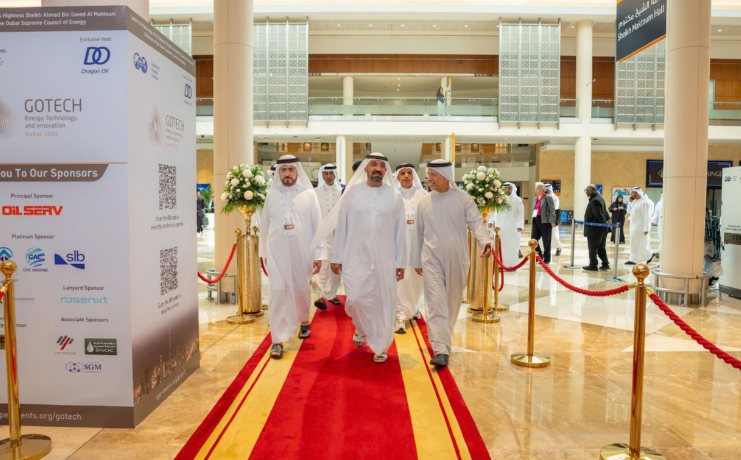
23. Dubai Conference Showcases Advanced Oil and Gas Solutions
The Gas & Oil Technology Conference and Exhibition in Dubai brought together energy executives and technical specialists from more than 50 countries. Sessions covered artificial intelligence, digital drilling, production optimization, reservoir management, robotics, carbon capture, pipeline systems and workforce development. The accompanying exhibition and startup zone highlighted technologies intended to improve operational efficiency and sustainability across the oil and gas value chain. The event reflects the sector’s growing integration of digital tools with conventional energy engineering.

24. New Air Filter Works With Sunlight and Indoor LEDs
Researchers have developed a light-powered air filter that uses sunlight or indoor LED illumination to maintain electrostatic charge and capture airborne particles. The coated polypropylene membrane achieved laboratory filtration performance comparable to N95 and N99 systems and retained high efficiency over extended testing. When clogged, the material can be rinsed and recharged under light, suggesting potential for repeated reuse. Future applications could include reusable masks, air purifiers and building filtration systems, subject to further validation and product development.
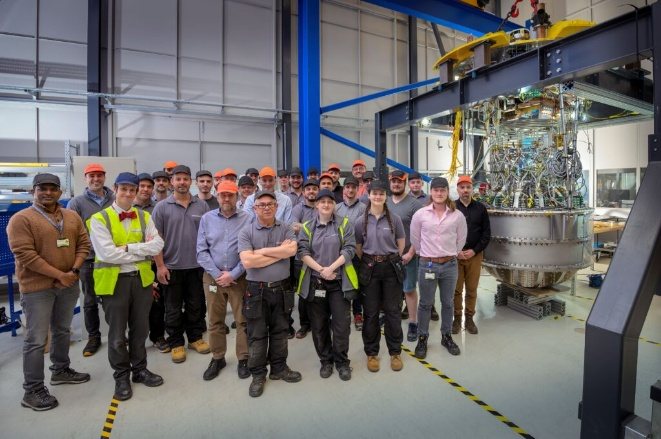
25. Long-Duration Testing Validates Key Fusion Magnet Technology
Tokamak Energy completed a 14-month testing campaign of its Demo4 high-temperature superconducting magnet system. The programme reached a peak magnetic field of 13.7 tesla, tested high-current operation and evaluated thermal stability, superconducting joints, fault responses and integration with power, cooling and control systems. A forced-discharge test showed no observed hotspots or degradation. The data will inform future magnet engineering for fusion-energy systems and may also support industrial applications that require compact, high-field superconducting magnets.

26. New Pediatric Heart Valve Can Expand as Children Grow
The U.S. Food and Drug Administration has approved the Autus Size-Adjustable Valve, a surgically implanted pulmonary heart valve designed for children with congenital heart defects. The device can be enlarged later using a balloon catheter as a child grows, potentially reducing the need for repeated open-heart surgery. Approval followed a multicentre clinical study. The FDA noted that longer-term follow-up is still needed to assess durability and risks, but the design represents an important step toward pediatric implants that can adapt over time.
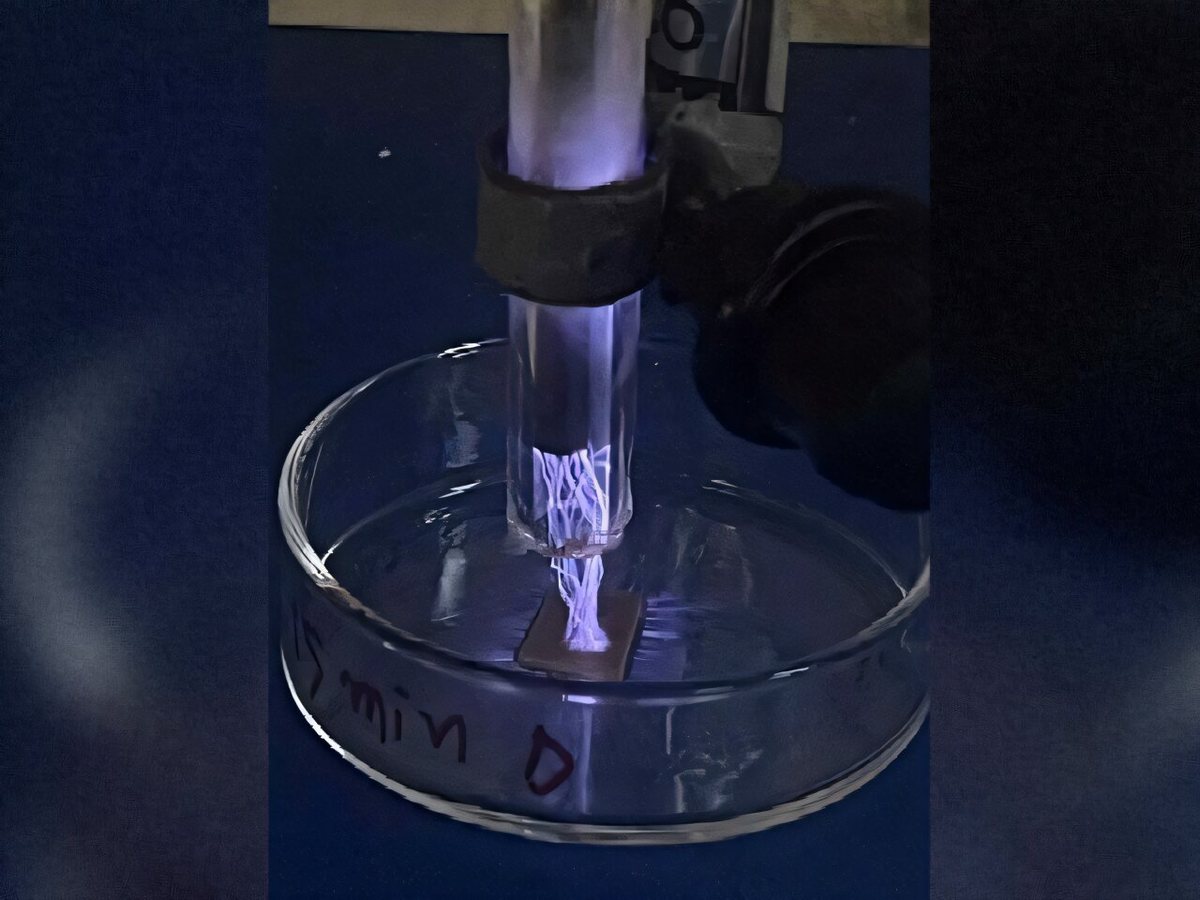
27. Plasma-Treated Rice Bran Shows Promise for Sustainable Packaging
Researchers at the Arkansas Agricultural Experiment Station have used cold plasma treatment to improve the antibacterial properties of biodegradable films made from rice bran and rice-bran protein. Laboratory tests showed reduced populations of several foodborne bacteria, with the treatment modifying film surfaces and promoting chemical reactions that generate antimicrobial hydrogen peroxide. The work could support future plant-based packaging materials that reduce reliance on conventional plastics and added antimicrobial chemicals, although food-contact safety and commercial-scale performance still require further study.
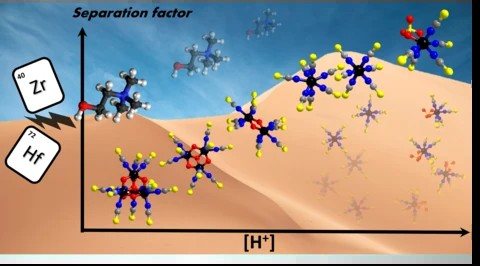
28. New Chemical Method Offers More Sustainable Metal Purification
Oregon State University researchers have developed a water-based method for separating zirconium and hafnium, metals important to nuclear energy and semiconductor manufacturing. The approach uses thiocyanate compounds and choline instead of large quantities of flammable organic solvents. In testing, the precipitation process produced a separation factor substantially higher than conventional benchmarks. If scalable, the technique could reduce solvent use, emissions and energy requirements in high-purity metal processing, supporting cleaner supply chains for advanced electronics and nuclear technologies.

29. Researchers Scale Up Dual-Function Solar Technology
Florida International University engineers have developed an ultra-thin perovskite device that can both generate electricity from sunlight and emit light. The SOLED concept combines solar-cell and LED functions in a single lightweight structure, reaching reported solar conversion efficiency of up to 22 percent and light-emission efficiency approaching 11 percent. Researchers are exploring wearable and field applications, including power support for sensors and near-infrared systems. Work is continuing to increase device size and establish performance under practical operating conditions.
30. Scientists Demonstrate Shape-Based Electrical Control in Graphene
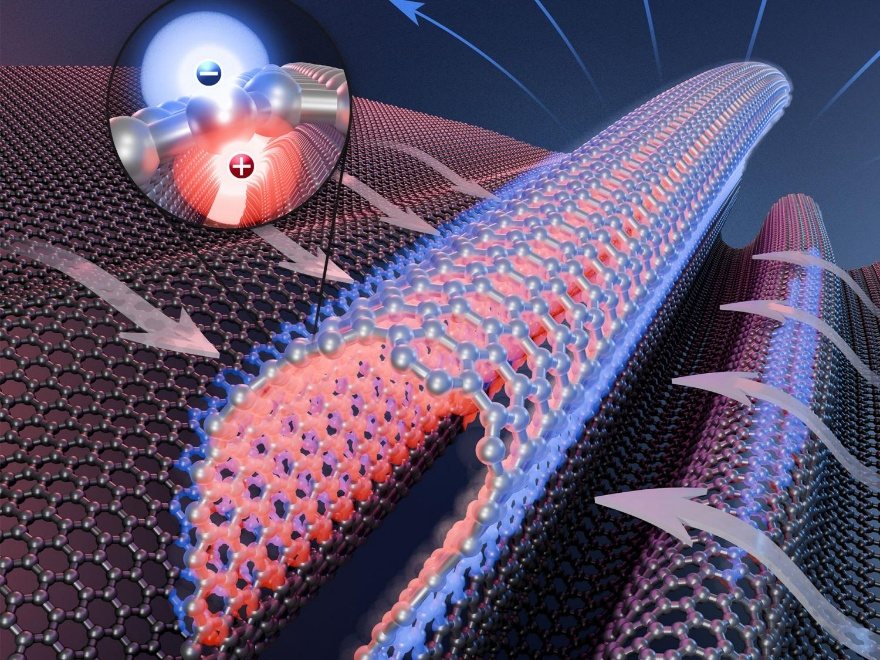
Researchers have shown that microscopic wrinkles in graphene can strongly influence local electrical behaviour through flexoelectricity, where uneven bending creates electrical polarization. Using microscopy, Raman spectroscopy and computer modelling, the team found that sharply curved wrinkle tips altered local energy levels and produced measurable current responses. The effect depended more on the sharpness of the bend than its overall height. The findings suggest that future nanoscale sensors or ultra-thin electronics may be engineered partly by controlling material shape rather than only chemical composition.